
The Origins of East Coast Street Rap
In the mid-1990s, New York street rap captured the raw energy of East Coast Hip Hop. West Coast gangsta rap ruled the airwaves through albums like Dr. Dre’s The Chronic and Snoop Doggy Dogg’s Doggystyle, with their smooth G-funk synths shifting attention away from New York. The response from the East Coast came through darker, colder sounds rooted in urban realism and intricate hustler narratives. Artists delivered this style across key albums that defined the era’s gritty tone.
Black Moon’s Enta Da Stage (1993) brought atmospheric beats with sharp verses on survival in Brooklyn. Wu-Tang Clan’s Enter The Wu-Tang (36 Chambers) (1993) featured minimalistic production laced with kung-fu samples and chaotic storytelling from members like Method Man, Inspectah Deck, and Ghostface Killah. Nas’s Illmatic (1994) painted Queensbridge life with stripped-down beats from DJ Premier and Pete Rock, focusing on ambition amid struggle. Gang Starr’s Hard To Earn (1994) critiqued urban decay through Guru’s lyrics over Premier’s somber strings and drum breaks. M.O.P.’s To The Death (1994) unleashed aggressive flows from Billy Danze and Lil’ Fame over thunderous drums.
The Notorious B.I.G.’s Ready To Die (1994) detailed Brooklyn hustling with stark production highlighting contradictions of triumph and despair. Kool G Rap’s 4,5,6 (1995) delivered rapid rhymes on crime and power over ominous piano loops. Big L’s Lifestylez Ov Da Poor & Dangerous (1995) mixed humor and threats with head-nodding beats from the D.I.T.C. crew. Mobb Deep’s The Infamous (1995) immersed listeners in Queensbridge paranoia through Havoc’s eerie loops and distant sirens.
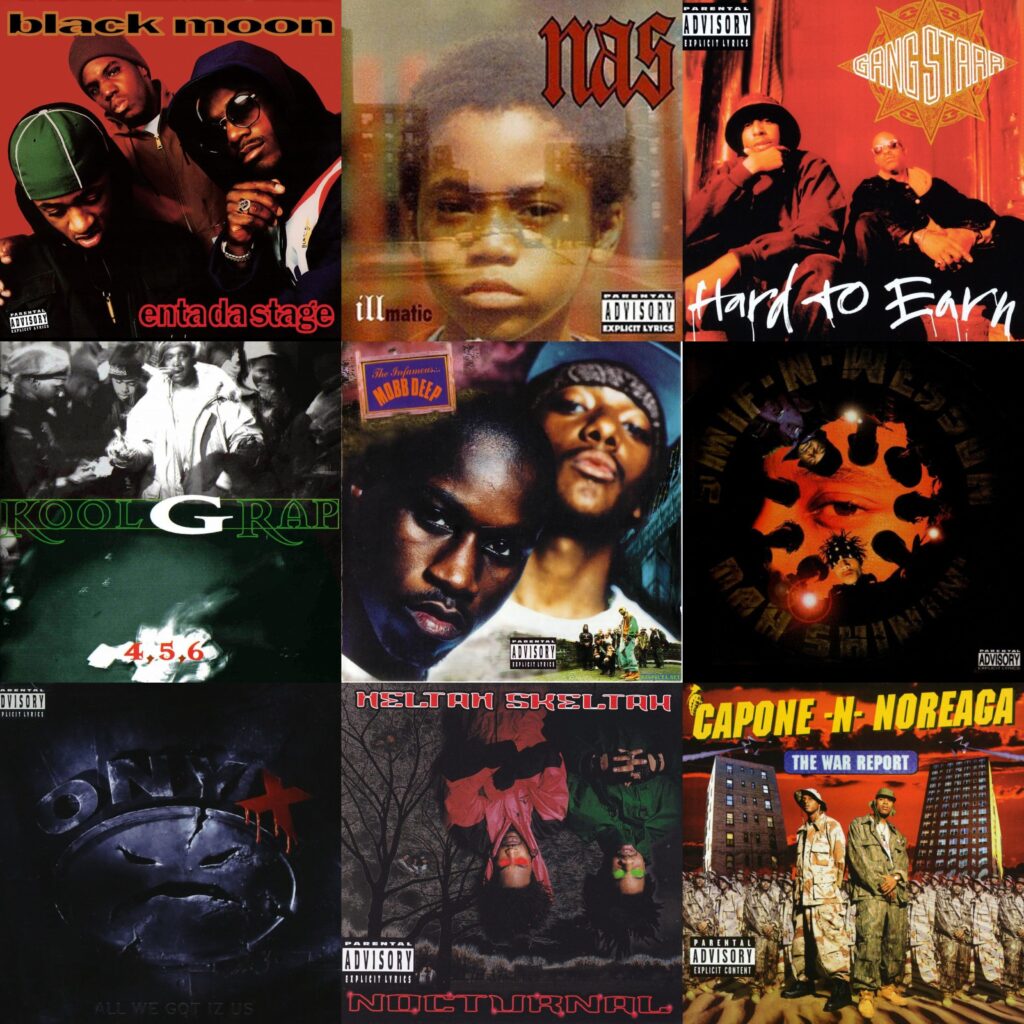
Raekwon’s Only Built 4 Cuban Linx… (1995) constructed Mafioso epics with RZA’s dusty samples and cinematic skits. Show & AG’s Goodfellas (1995) offered Bronx boom bap with piercing horns and battle raps. AZ’s Doe Or Die (1995) flowed with hustler ambition over minimal beats from Pete Rock. Smif-n-Wessun’s Dah Shinin’ (1995) evoked Brooklyn pride with brooding basslines from Da Beatminerz. Onyx’s All We Got Iz Us (1995) channeled rage with jagged rhythms and nihilistic verses.
Heltah Skeltah’s Nocturnal (1996) plunged into moody samples with witty block politics from Ruck and Rock. OGC’s Da Storm (1996) conveyed defiance through dusty drums and subliminal disses. Mobb Deep’s Hell On Earth (1996) amplified paranoia with haunting samples. M.O.P.’s Firing Squad (1996) hit with DJ Premier’s gritty beats on violence and loyalty. Capone-n-Noreaga’s The War Report (1997) exposed Queens chaos through Havoc’s lo-fi grit and street codes. Other street poets, including artists like Tragedy Khadafi, Cormega, Group Home, and O.C., built on that foundation, weaving lyricism with street survivalism until it became its own subgenre: a blueprint for a city hardened by surveillance, struggle, and pride.
These works rejected West Coast polish for authenticity, with producers like DJ Premier, Havoc, and RZA crafting beats from concrete grit. By the late 2000s, this sound had dimmed as Atlanta, New Orleans, Houston, Miami, Memphis, and Los Angeles shaped mainstream Hip Hop. Street rap persisted, but its edge softened. Roc Marciano revived it.
Early Influences and Hempstead Roots
Born Rakeem Calief Myer in Hempstead, Long Island, Roc Marciano absorbed influences from local legends like Rakim, Public Enemy, and MF DOOM. Long Island’s history fueled his ambitions amid a scene centered on Bronx and Brooklyn. He drew from Kool Keith’s eccentricity and 1990s New York lyricism, channeling environment challenges into intricate flows. Hempstead’s streets provided the backdrop for his early experiments, where survival stories mixed with sharp wordplay. Marciano listened to tapes of Rakim’s precise delivery, dissecting how each syllable built layers of meaning. Public Enemy’s political edge taught him to infuse verses with commentary, while MF DOOM’s masked mystique inspired his own enigmatic persona. This foundation turned personal hardships into lyrical tools, setting the stage for his entry into organized groups.
The Formation of The U.N.
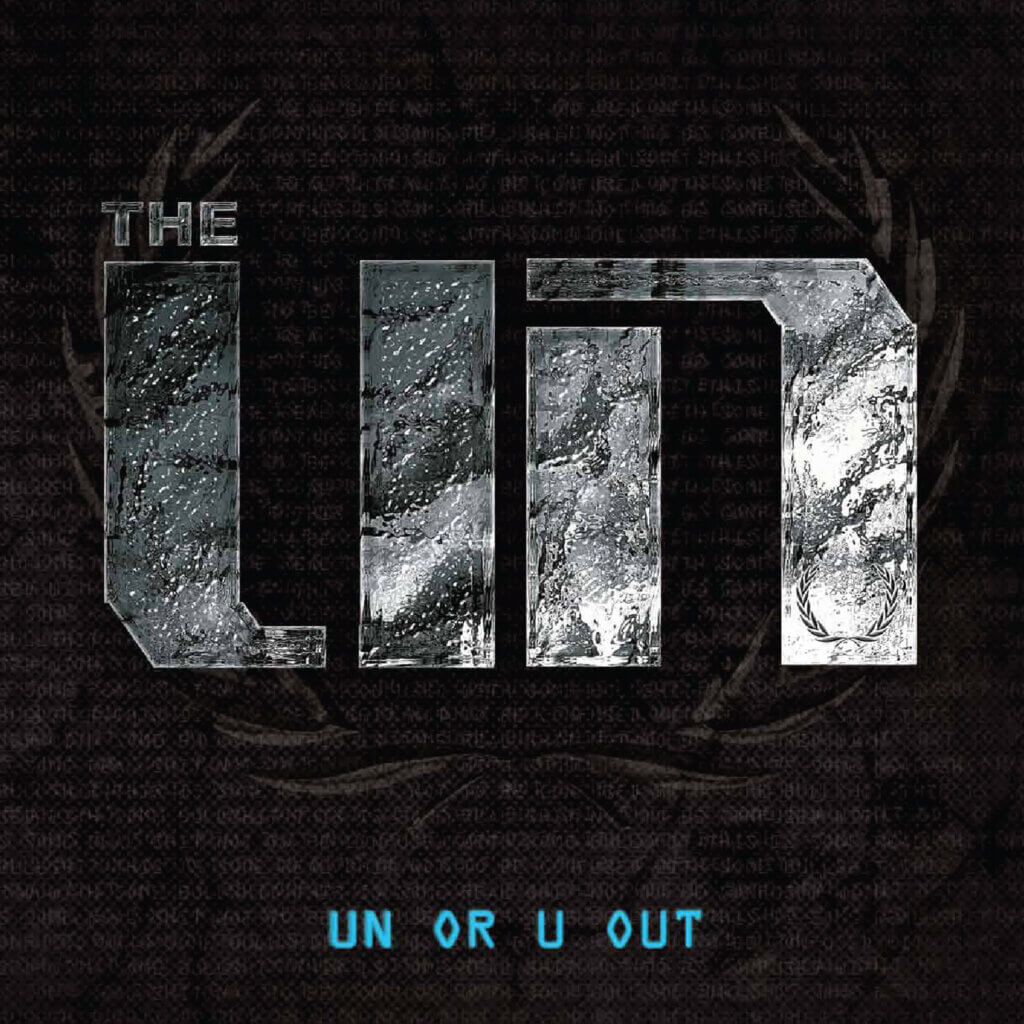
In the late 1990s, Marciano formed The U.N. with Mike Raw, Dino Brave, and Laku. Their 2004 album U N or U Out fused street lyrics with beats from dusty vinyl, creating minimalism and dark textures for haunting narratives. The project avoided commercial success but outlined Marciano’s vision of underground Hip Hop. Tracks on the album evoked late-night corner vibes, with sparse drums allowing voices to dominate. Mike Raw’s aggressive style complemented Marciano’s cooler tone, while Dino Brave and Laku added group dynamics. Production drew from obscure soul records, chopped into loops that felt unearthed from attics. Songs like “Game of Death” layered threats with historical references, showing Marciano’s early knack for blending education with entertainment. The U.N. performed at local venues, building a cult following in New York’s outer boroughs. This era tested Marciano’s endurance, as independent releases demanded self-reliance in promotion and distribution.
Flipmode Squad Affiliation and Departure
His skills attracted Busta Rhymes’ Flipmode Squad, where he featured on tracks with Raekwon and Ghostface Killah. This exposure built credibility, yet major label constraints clashed with his independence. He left in 2001 to refine his voice outside industry norms. During his Flipmode tenure, Marciano contributed to The Imperial (1998), trading bars with Busta’s high-energy delivery. Collaborations with Wu-Tang members honed his ability to adapt to diverse styles. However, the squad’s focus on commercial appeal—flashy videos and radio-friendly hooks—felt restrictive. Marciano sought control over his narrative, leading to his exit. Post-departure, he retreated to Hempstead, experimenting with production software and vinyl digging. This period of isolation allowed him to strip away excess, focusing on essence in beats and rhymes.
The U.N. phase sharpened Marciano’s tools. He shortened bars, tightened delivery, and minimized percussion for atmospheric emphasis. Wordplay dominated. By 2010, Marcberg crystallized this approach. In those years, Marciano collected rare records, sampling forgotten jazz and funk tracks. He learned Pro Tools intricacies, creating beats that prioritized mood over volume. Lyrics evolved from straightforward stories to dense puzzles, requiring active listening. Influences from crime literature infused his writing with narrative depth. This self-imposed exile built resilience, turning potential setbacks into strengths.
The Breakthrough with Marcberg
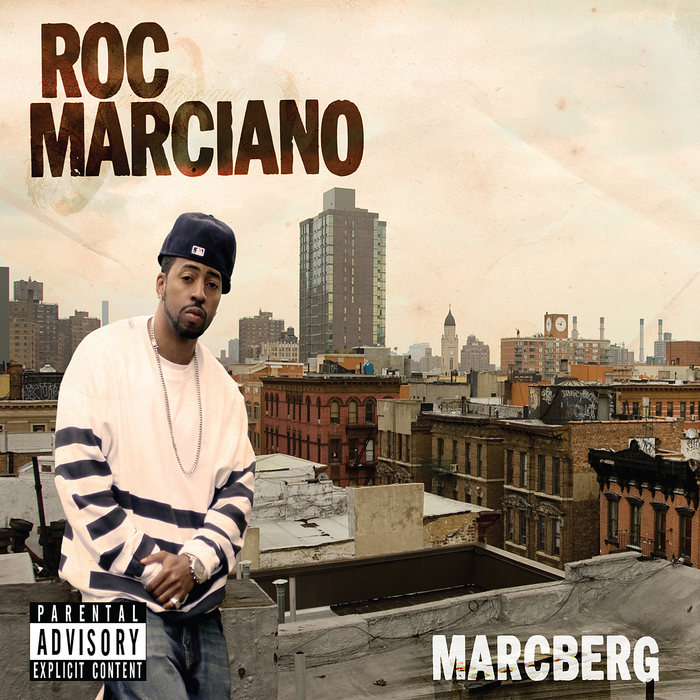
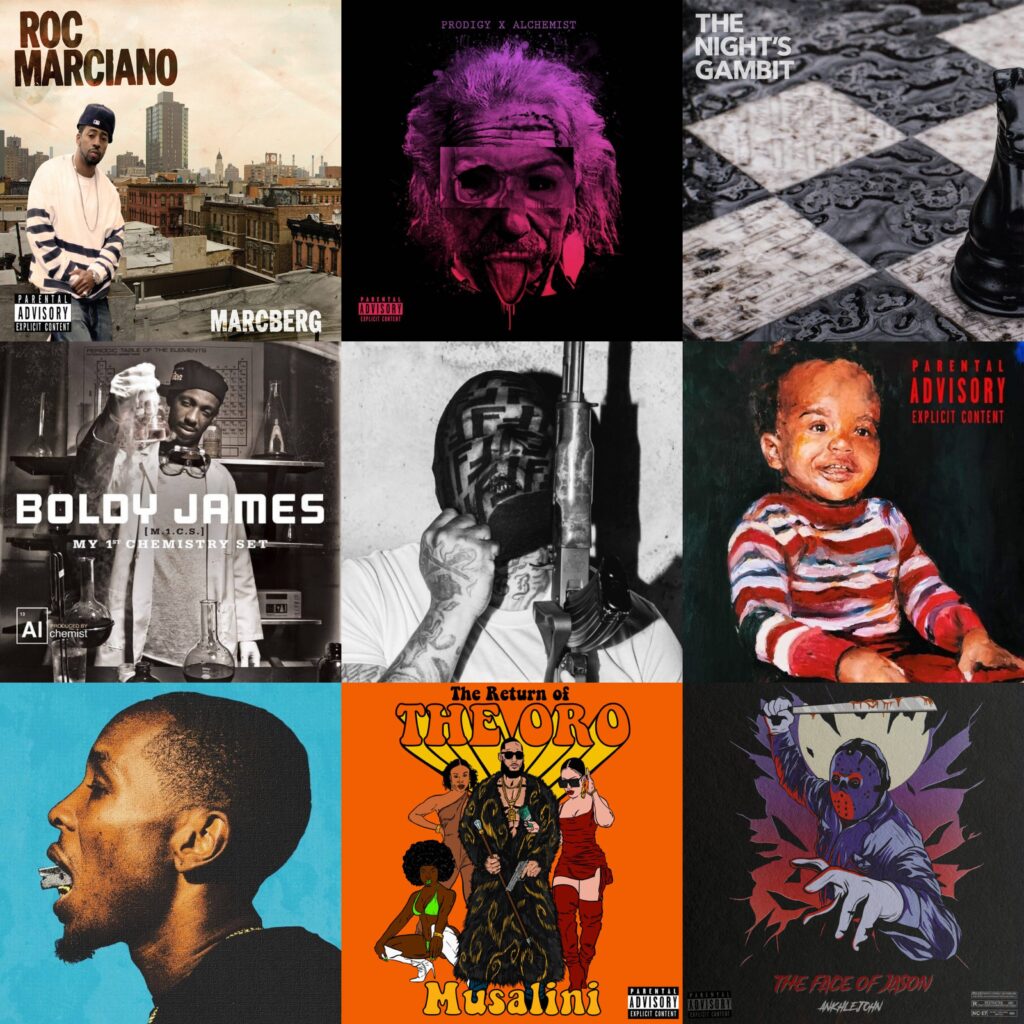
Marcberg arrived without hype or budgets, yet it altered underground dynamics. Marciano produced every beat, echoing 1990s New York density but with quieter drums. Loops recalled detective film scores, chopped into black-and-white vignettes. “Snow” and “Thugs Prayer” transformed crime motifs into sparse poetry, where silence punctuated lines. The album’s cover—a stark portrait—mirrored its content: direct and unadorned. Tracks like “Pop” detailed luxury amid peril, with Marciano’s voice gliding over faint bass. Critics noted its departure from trap dominance, praising the return to sample-based introspection. Marcberg sold modestly but spread through blogs and forums, influencing producers in Buffalo and Detroit.
Marciano’s cadence stayed calm and conversational, with precise impacts. He painted scenes without seeking approval, coding bars with wit and confidence like a dealer sharing philosophy in dim light. This method influenced artists like Westside Gunn, Boldy James, Mach-Hommy, and Rome Streetz, who adopted his pacing and minimalism.
Expanding the Vision in Reloaded
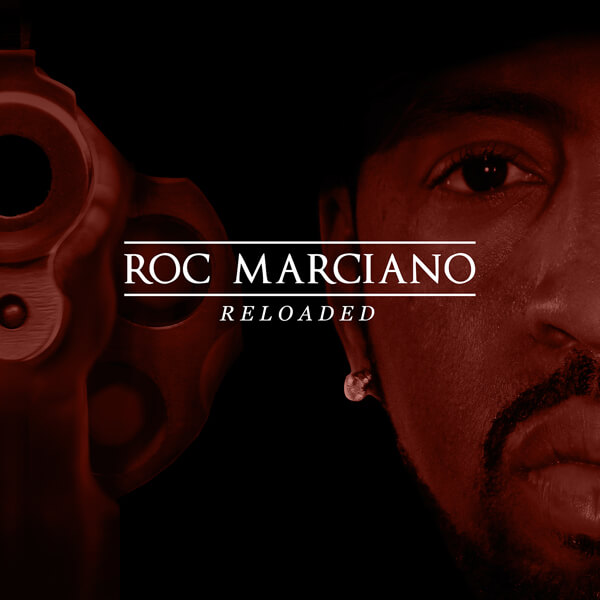
In 2012, Reloaded deepened the noir vibe with creeping beats. “Emeralds” and “76” captured cool assurance that would later echo in Griselda’s output. The album evolved internally through detailed language and sonic accuracy. Beats arranged sparsely, often drumless, let verses strike with whispered force. Dark piano loops and vintage samples created sepia-toned tension, blending menace and luxury in cohesive tracks. “Deeper” explored deep themes over eerie vocal samples, while “Flash Gordon” injected sci-fi elements into street tales. Marciano’s production choices with fading echoes and reversed snippets added psychological layers.
Marciano’s lyrics sliced into street scenes with poetic detail. Verses offered snapshots of hidden moments, slipping between deadly and lavish elements. Imagery included mink coats alongside firearms, evoking neon on wet asphalt. Pacing remained deliberate, inviting immersion in textures and weights. The album’s sequencing flowed like a film reel, building suspense across 16 tracks.
Production dipped in melancholic samples for timeless quality. Layers of strings and horns built hypnotic silence, focusing on words. Tracks bled together in a world of shadows and backstreets, rewarding repeated listens with fresh layers. Reloaded ignored trends, constructing its domain through precision. It demanded engagement, pulling deeper into Marciano’s Hip Hop vision.
Mid-Career Prolific Output
The following years turned Marciano’s discography into self-contained artistry. Rosebudd’s Revenge (2017) mixed quiet menace with luxury talk, timed like an old-school storyteller. Beats drew from layered samples for vintage grit, sparse yet lush. Tracks like “Pimp Arrest” and “Burkina Faso” sketched high-life scenes—fur coats, mob deals in shadowy rooms. Humor lurked in delivery, with phrases evoking 1930s gangster films. The album featured Knxwledge on production, adding West Coast haze to East Coast edge.
RR2: The Bitter Dose (2018) continued this, balancing elements without dilution. Shorter tracks emphasized punch, like “Corniche” with its car metaphors for mobility. Behold a Dark Horse (2018) explored moodier terrain, incorporating live instrumentation for an organic feel. The Prequel and Marci Beaucoup highlighted collaborative ears with focused control, featuring artists like Knowledge The Pirate.
Marcielago in 2019 brings Westside Gunn to “Boosie Fade,” where their styles align over funk breaks. Mt. Marci in 2020 features Kool Keith on “Broadway Billy” with surreal touches, Stove God Cooks on the title track with direct force, and more in hazy settings like “Wicked Days.”
The Elephant Man’s Bones
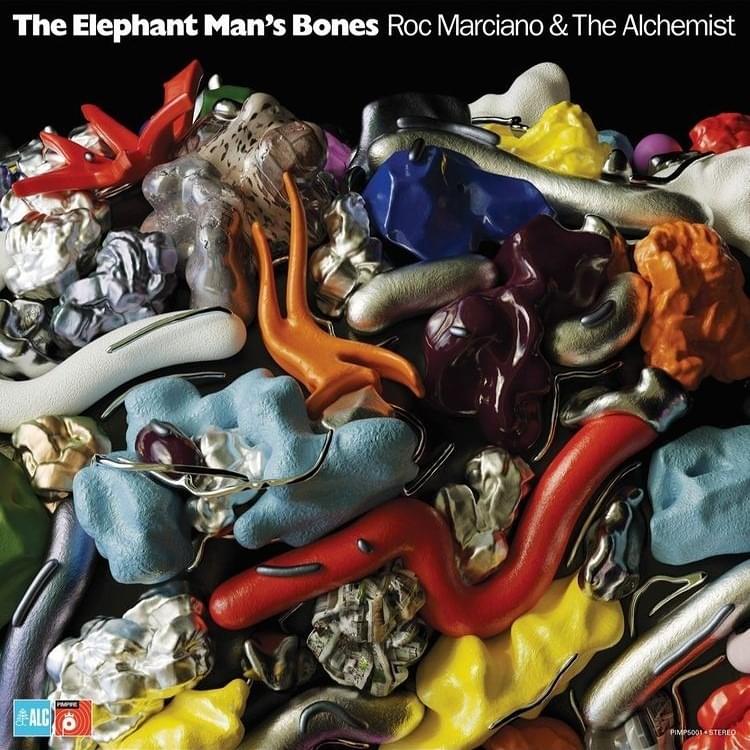
The 2020s delivered The Elephant Man’s Bones (2022), assisted by The Alchemist. Dry wit met ghostly loops in synchronicity. Alchemist’s murky textures matched Marciano’s low delivery, like smoke in a studio. Tracks under three minutes created vignettes, blending grit and polish. “Daddy Kane” featured Action Bronson’s eccentricity for levity. “The Horns of Abraxas” immersed in vivid images, with Ice-T adding old-school depth. The collaboration stemmed from mutual respect, with Alchemist providing beats that amplified Marciano’s themes of legacy and loss.
Alchemist crafted beats nodding to Marciano’s past, updating for modernity. Drumless loops mixed with harder drums for variety. “Trillion Cut” with Boldy James timelessly jabbed piano. Structure kept energy brisk, revealing layers on replays. The album peaked on underground charts, confirming Marciano’s crossover appeal. At HHGA, this record ranks among our top picks in his catalog. Alongside Marcberg and Reloaded, it captures peak form through seamless chemistry and evocative production. Marciano’s verses cut sharper here, elevated by Alchemist’s haze.
Late-Career Mastery in Marciology and 656
Marciology (2024) extended crystalline loops and coded philosophies of control. Tracks dissected fame’s illusions with surgical bars. In 2026, 656 compressed ideas into a half-hour statement. Twelve tracks offered quiet swagger and deliberate menace. Self-produced beats stayed dusty and loop-based, often drum-light, with strings and keys smearing like smoke on glass. Production curated loops with intentional minimalism. Flow remained cool and confident, controlling pockets without hurry. At thirty-two minutes, 656 played like a sharp sketch, consistent without valleys, though peaks felt quietly excellent rather than explosive. The title’s “neighbor of the beast” nod hinted at Marciano’s playful edge, one digit from 666.
Influence on Griselda and the Subgenre Explosion
Marciano created a filter for today’s street rap underground. His influence appears in Griselda’s core—Westside Gunn’s FLYGOD (2016), Conway The Machine’s Reject 2 (2015) and G.O.A.T. (2018), Benny The Butcher’s Tana Talk 3 (2018)—all drawing from his icy minimalism. Westside Gunn often cites Marciano as a blueprint, incorporating drumless loops in Pray for Paris (2020). Conway’s gravelly voice echoes Marciano’s menace, while Benny’s storytelling mirrors the coded luxury.
Albums like Mach-Hommy’s H.B.O. (2016), Stove God Cooks’ Reasonable Drought (2020) with Marciano, and ANKHLEJOHN’s As Above, So Below (2020) echo sparse drums and dread-thick atmosphere. Roc Marci sparked a subgenre of drum-light loops, whispered threats, and quiet luxury, leading to waves of similar projects. Imitations flood the scene, yet Marciano holds the standard through precision separating origin from copies. Delivery hinges menace and amusement, production tight for words to lift heavy. Labels like Griselda Records amplified this wave, releasing dozens of albums in the vein.
Parallels with Ka and Collaborative Depth
Ka, the late Brownsville rapper, matched him as a regular collaborator. Ka constructed moral metaphors from the streets Marciano narrated, more intellectual, poetic, and abstract yet grounded in the same themes of street survival. Albums like The Night’s Gambit (2013), Honor Killed The Samurai (2016), and Descendants Of Cain (2020) share minimalist mastery. Ka’s death in 2024 left a void, but his influence lingers in Marciano’s reflective turns.
Together, they represented New York’s deep street rap, inspiring thinkers like billy woods and ELUCID in Armand Hammer. Their partnership began with tracks like “Iron Age” on Ka’s Grief Pedigree (2012), where Marciano’s sharp delivery cut through Ka’s introspective loops. Later, “Ephesians” on Marciano’s Marcielago (2019) featured Ka, layering coded threats with philosophical undertones. On Descendants Of Cain, “Sins Of The Father” captured their synergy, with Marciano producing a taut sample for Ka’s biblical references to legacy and sin.
They announced a joint album as Metal Clergy titled Piece Be With You in 2012, fueling fan anticipation though it remains unreleased. Ka’s life as a New York firefighter added authenticity to his verses, drawing from real danger to inform abstract narratives. This blend elevated their output, pushing boundaries in underground circles. Marciano often credits Ka for deepening his own production choices, evident in sparse beats that echo Ka’s restraint. Their chemistry influenced a wave of lyricists, from woods’ dense abstraction to Armand Hammer’s experimental grit, proving their dynamic endures in Hip Hop’s introspective wing.
A Sustained Legacy in Hip Hop
Through nearly two decades of evolution, Roc Marciano has turned Long Island grit into a global dialect of modern underground Hip Hop. His catalog, from Marcberg to 656, is the spine of that vocabulary. Each release strengthens the same central idea: sound stripped to essence, bars sharpened to purpose, vision never diluted. In an era of constant movement, Roc moves at his own pace, and the culture keeps chasing his rhythm.